
Basement Waterproofing · Exterior Systems
Exterior Basement
Waterproofing
in Maryland
Full foundation excavation, membrane application, and drainage board — when stopping water at the source is the right call
Excavation to the footer. Foundation repair. Rubberized membrane application. Drainage board and washed stone backfill. Lifetime transferable guarantee. Honest, consultative guidance.
When Interior Drainage Isn't Enough
What Exterior Basement
Waterproofing Actually Does
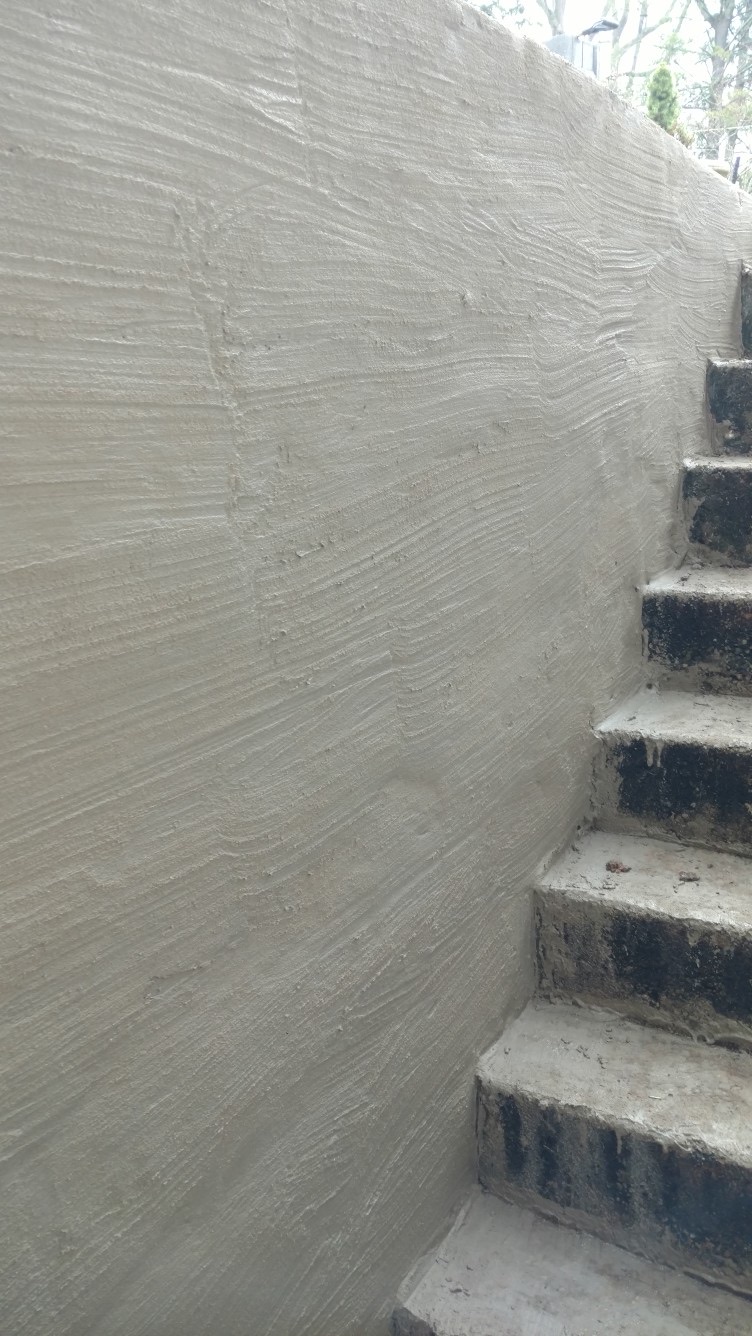
Exterior waterproofing addresses the problem at the source — before water reaches your foundation wall. By excavating to the footer, repairing the wall surface, and applying a continuous waterproofing membrane, we interrupt the water path entirely rather than managing water after it enters.
Most Maryland basements don't need exterior waterproofing. Hydrostatic seepage at the cove joint or through hairline cracks is efficiently handled by interior drain tile — at lower cost and lower disruption. Exterior work is the right answer when walls show structural damage, when previous interior systems have failed, or when the water source is definitively at the wall face rather than the cove joint.
OBW's inspection tells you which applies. We don't recommend exterior work when interior drainage handles the problem — the markup doesn't justify it, and we won't upsell you.
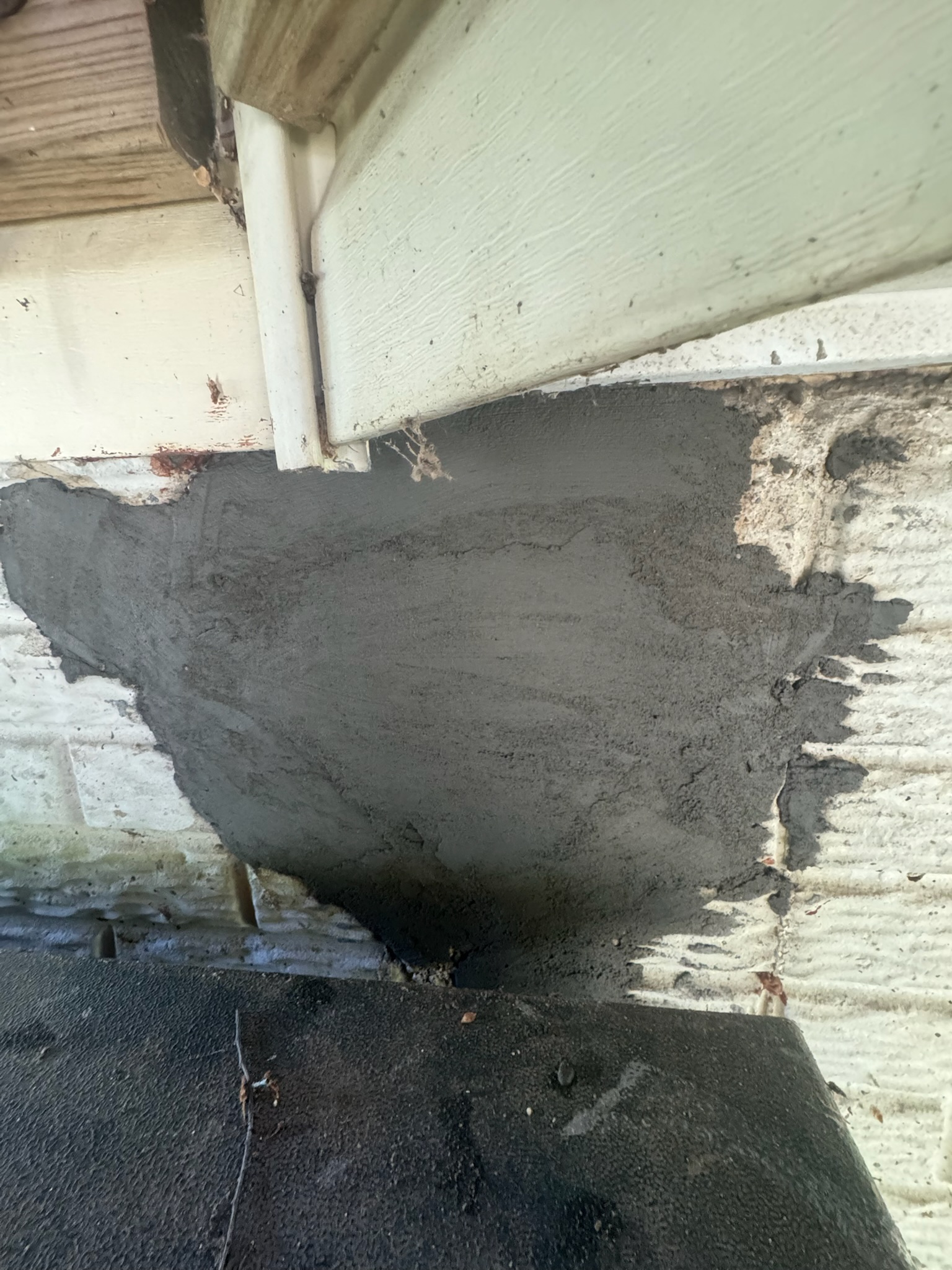
Foundation crack repair prior to membrane application — the surface must be sound before waterproofing
Signs Exterior Waterproofing May Be the Right Scope
When to Call OBW About
Exterior Foundation Work
These conditions don't always mean exterior work is required — but they're the ones that warrant an honest in-person assessment rather than an interior-only quote.
- Wall bowing inward or horizontal cracks through the middle of a block wall
- Water entering high on the wall face — not at the floor-wall cove joint
- Previously installed interior system that has failed or is overwhelmed
- Confirmed failed exterior damp-proofing from original construction
- Spalling or deteriorating block face with significant moisture intrusion
What You Get
What OBW's Exterior System Includes
Every exterior waterproofing job follows the same sequence. No shortcuts — membrane applied to a prepared surface, protected by drainage board, and backed by a footer drain.
Targeted or Full-Perimeter Excavation
We excavate only what's needed — targeted to the problem section unless full-perimeter conditions warrant more. Machine and hand excavation to footer depth.
Foundation Surface Repair
Cracks, deteriorated mortar joints, and spalled concrete are repaired before membrane application. A membrane on a failed surface fails early.
Rubberized Membrane Application
Rubberized asphalt or polymer membrane applied to clean, prepared substrate. Remains elastic at Maryland temperature extremes — won't crack in freeze-thaw cycles.
Drainage Board Over Membrane
Dimple mat placed over the membrane before backfill. Protects membrane from puncture during compaction and channels groundwater to the footer drain.
Footer Drain Tie-In
Membrane system connects to a footer drain that routes water away from the foundation — completing the path from wall face to discharge.
Washed Stone Backfill
Crushed stone rather than compacted clay fill. Improves drainage around the foundation and reduces direct soil pressure against the membrane over time.
The Right Sequence. Every Time.
How OBW Performs
Exterior Waterproofing
Exterior waterproofing is a four-phase process. Skipping or shortcutting any phase shortens the service life of the membrane — often dramatically.
Site Prep & Excavation
Landscaping, hardscaping, and surface material in the excavation zone are removed and documented. Equipment access is established. Excavation proceeds to footer depth along the treatment section.
Foundation Repair & Cleaning
Exposed foundation surface is pressure-washed and inspected. Cracks are routed and filled. Deteriorated mortar joints are repointed. The surface must be structurally sound before membrane application.
Membrane Application
Rubberized asphalt membrane is applied to the full treated section from footer to grade. Seams and penetrations are sealed. Application is inspected before drainage board placement.
Drainage Board & Backfill
Dimple drainage mat is placed over the membrane. Footer drain is connected. Washed stone is placed as the primary backfill. The trench is restored to grade.
Real Maryland Jobs
Recent Exterior Waterproofing
Projects in Maryland
Every project below is an OBW job — real foundations, real Maryland homeowners, documented before and after each installation.
Full-perimeter exterior treatment on a 1960s block foundation. Membrane and drainage board installed after wall cracks were repaired.
Targeted exterior work on the low side of a sloped lot. Previous interior system had managed water; exterior addressed the source.
Bowing wall section stabilized, then exterior membrane applied over the repaired face. Stone backfill and footer drain installed.
Failed original damp-proofing stripped, surface repaired, rubberized membrane applied full height to footer. Dry through three Maryland wet seasons.
Honest Answers. No Sales Pitch.
Common Questions About
Exterior Basement Waterproofing
If your question isn't here, call (443) 855-5600. Our inspectors answer questions and give honest, consultative guidance.
When does my basement need exterior waterproofing instead of interior?
Interior drainage manages water that enters the basement; exterior waterproofing stops it from reaching the wall. Exterior is warranted when: the wall has active structural damage (bowing, horizontal cracks), previous interior systems have failed, or the water source is definitively exterior — poor grading, failed exterior drain tile from original construction, or a break in the original damp-proofing that is admitting large volumes through the wall face rather than just at the cove joint.
For most Maryland homes with hydrostatic seepage through the cove joint or hairline cracks, interior drainage is the right and less disruptive solution. OBW tells you which applies — we don't default to the more expensive option. If your situation calls for interior work, we'll tell you that even if you called asking about exterior.
What does exterior waterproofing actually involve?
Excavation to the footer, full perimeter or targeted section depending on where water is entering. Once the foundation is exposed, the surface is cleaned and inspected for cracks, deteriorated mortar joints, or spalling. Any structural defects are repaired before the membrane goes on — applying a membrane to a compromised surface is a failed installation waiting to happen.
A waterproofing membrane is then applied — rubberized asphalt or polymer-based, depending on the substrate and condition. Over the membrane, a drainage board (dimple mat) is placed to protect the membrane from puncture during backfill and to channel groundwater down to a footer drain. The excavation is then backfilled with crushed stone rather than the original disturbed soil, which improves long-term drainage around the foundation.
Scope is typically targeted to the problem section rather than full-perimeter unless the full perimeter warrants it. OBW quotes exactly what's needed — not a full-perimeter job when two wall sections are the actual issue.
How disruptive is excavation — what happens to landscaping and hardscaping?
Significant disruption to the immediate excavation zone. Plants, shrubs, and sod along the foundation need to come up and can be replanted after. Concrete walkways, stoops, or patios over the foundation that need to be demolished are quoted separately. Driveways that run to the foundation require an access cut — again quoted separately.
OBW photographs existing conditions before excavation and is explicit about scope before any work begins. We don't uncover surprises after the fact. If excavating your foundation means a concrete walkway needs to come out, that conversation happens before a shovel goes in the ground — not after.
What we can preserve: established trees with significant root systems close to the foundation will receive care during excavation. We hand-dig around major root systems rather than machine-cut them. Coordinate with your arborist in advance if you have mature trees within six feet of the excavation zone.
How long does exterior waterproofing last?
A properly applied rubberized asphalt or polymer membrane on a clean, repaired substrate should last 20 to 30 years. The failure modes are specific: application over a dirty or deteriorated surface (adhesion fails early), membrane puncture during backfill when drainage board is skipped or insufficient, or foundation movement that opens new cracks larger than the membrane can bridge.
OBW uses drainage board over all membrane applications precisely to prevent puncture during backfill. The washed stone backfill further reduces direct soil pressure against the membrane compared to compacted clay fill. Both choices extend membrane service life compared to the alternative approach of membrane-only with clay backfill.
When membrane does fail at a specific point after many years, targeted re-excavation and repair is possible — though by the time a membrane is 20-plus years old and showing one failure, the honest answer is often that a full re-application to the affected section will outlast targeted spot repair.
Is exterior waterproofing always more expensive than interior?
Yes, significantly. Excavation equipment, the labor involved in moving and restoring soil, membrane material costs, drainage board, and any surface restoration after the fact all add cost that interior work simply doesn't have. Exterior work runs two to four times the cost of interior drainage for comparable linear footage.
For most Maryland basements with standard hydrostatic seepage at the cove joint or through hairline cracks, interior drainage delivers equivalent results at lower cost and lower disruption. Exterior is the right answer in specific circumstances — we'll tell you clearly if yours is one of them. If you're calling us for a quote, we'll inspect and give you an honest recommendation. If interior drainage handles your situation, we'll say so.
70 Years of Maryland Foundations
Why Maryland Homeowners Choose
Oriole Over National Brands
Three generations of the Pirog family have been solving Maryland basement and foundation problems since Frank Pirog Sr. founded Oriole in 1953.
Honest About What's Needed
Exterior waterproofing costs more. We tell you when interior drainage handles your problem just as well — and quote that instead. A consultative approach that never pushes the bigger job.
Lifetime Transferable Guarantee
Our waterproofing guarantee transfers to the next homeowner automatically. In a Maryland real estate transaction, that documentation conveys real value.
Maryland Soil Experience
Piedmont clay, Chesapeake Bay water tables, freeze-thaw movement — these conditions affect how membranes perform and fail. We specify materials that hold up here.
Family-Owned Since 1953
Frank Pirog Sr. founded Oriole over 70 years ago. Three generations later, Amber Pirog leads the same company with the same standard: do the job right.
Ready When You Are. No Pressure.
Three Steps to a Dry
Maryland Foundation
From first call to finished installation, most OBW exterior jobs are scheduled and complete within three to four weeks depending on season.
Schedule a Free Inspection
A local OBW inspector visits your home, identifies your specific water entry points, and assesses whether exterior or interior work is the right scope — at no charge and no obligation.
Get Your Written Estimate
You receive a written, itemized quote the same day as your inspection. Scope includes excavation, surface repair, membrane, drainage board, and backfill. No line-item surprises after work begins.
We Handle the Work
Our crew excavates, repairs, membranes, and restores. We photograph every phase. You receive a Lifetime Transferable Warranty walkthrough before we leave.
Stop Water at the Source
Free inspection. Written estimate same day. Honest recommendation — interior or exterior, whichever applies.
Family-owned since 1953 · MHIC #4247 · Lifetime Transferable Guarantee