
Crawl Space Encapsulation · Vapor Barrier
Crawl Space Vapor
Barrier Installation
in Maryland
Maryland's summer humidity demands a liner that actually seals — not 6-mil film from the hardware store
Reinforced 12–20 mil liner, mechanically terminated at the sill plate, sealed at every seam and penetration. Floor and wall coverage. Lifetime transferable guarantee. Honest, consultative guidance.
Why the Liner Specification Matters in Maryland
What a Crawl Space Vapor
Barrier Actually Does
A vapor barrier's job is to block moisture migration from the soil and foundation walls into your crawl space air. Maryland soils hold more water than most of the country — Piedmont clay can remain saturated for days after a storm, and the Chesapeake Bay watershed means groundwater tables are relatively high across Anne Arundel, Harford, and Cecil counties.
Bare crawl space soil evaporates moisture into the air above it continuously. During Maryland's summer, when outdoor relative humidity runs 70–80%, an unencapsulated crawl space creates the conditions mold requires to establish in floor framing. A properly installed vapor barrier stops soil and wall evaporation, which is the largest single moisture source in most crawl spaces.
The detail that separates an effective installation from one that fails within a few seasons: liner thickness, seam sealing method, wall coverage, and how the liner terminates at the top of the wall. OBW specifies each of these for Maryland's conditions — not for a drier climate where thinner, simpler installations work fine.
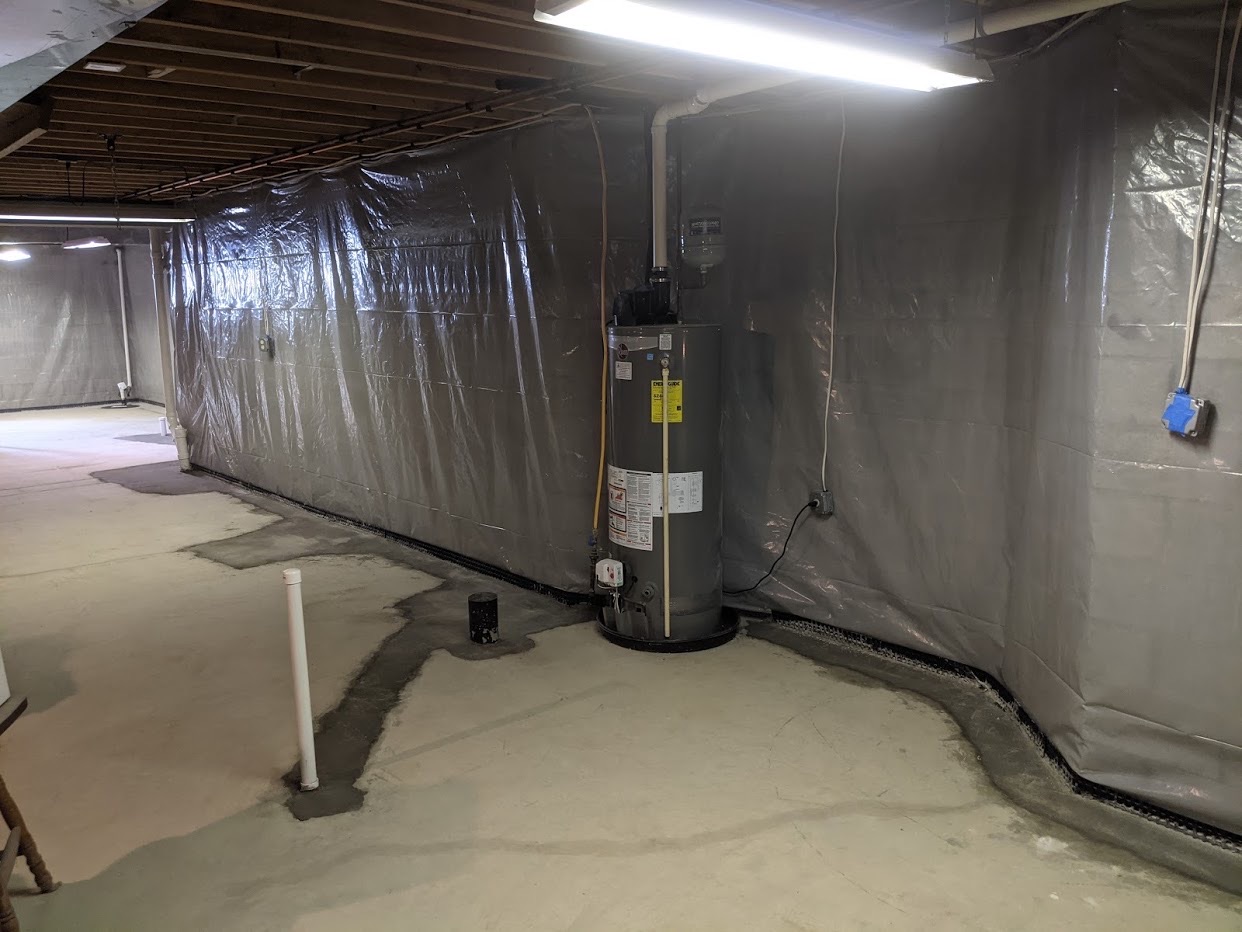
Completed installation — full floor and wall coverage, liner terminated at sill plate
Signs Your Crawl Space Needs Attention
Warning Signs That Your Crawl
Space Vapor Barrier Has Failed
Most crawl space moisture problems in Maryland develop silently for months before homeowners notice. By then, framing damage and mold may already be present.
- Musty odor from crawl space that migrates into living areas
- Visible mold on floor joists or subfloor sheathing above the crawl space
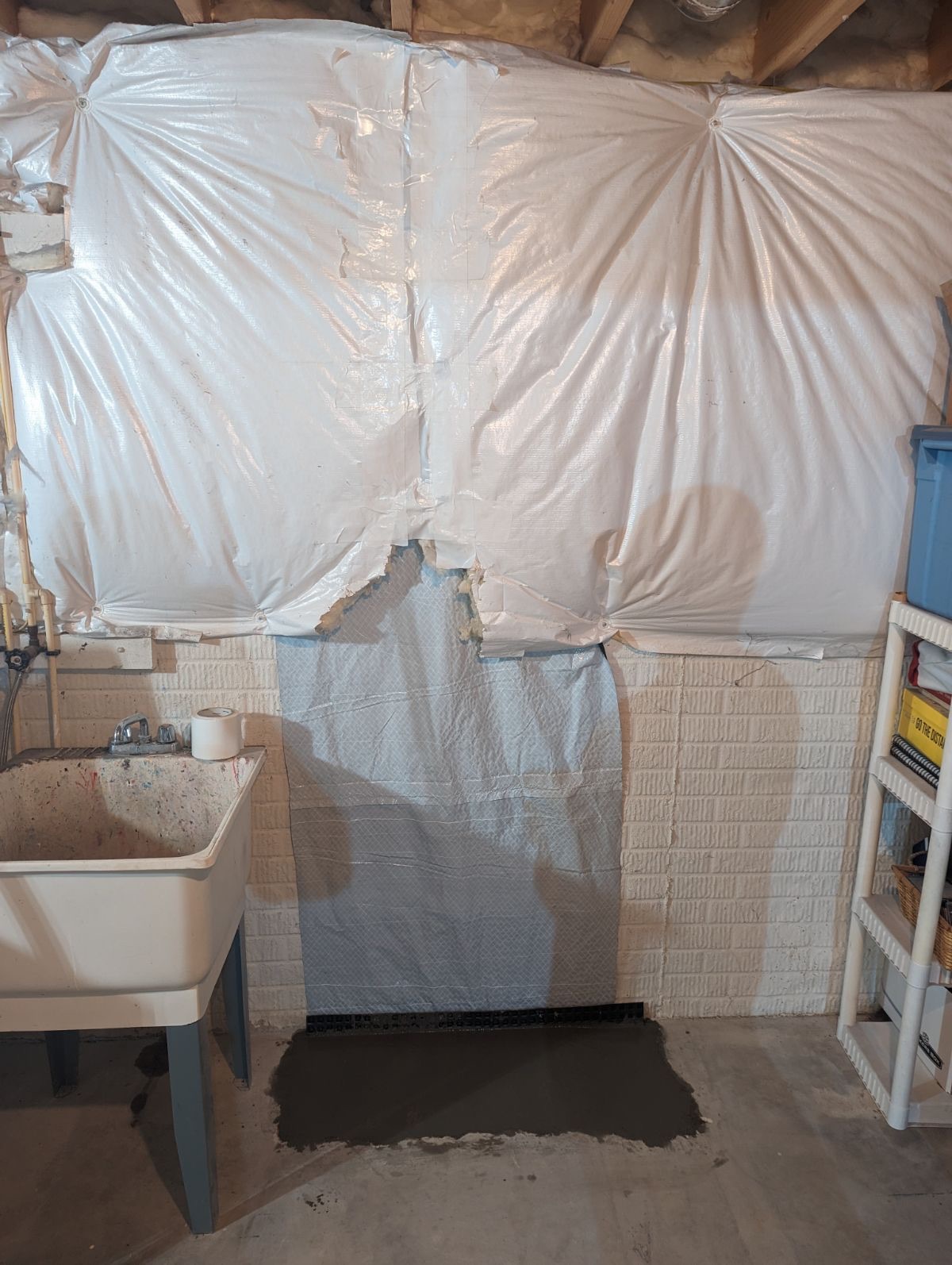
- Existing liner that is torn, bunched, or pooling water on its surface
- Wood floors above the crawl space feel soft or show cupping across boards
- High whole-house humidity that the HVAC can't keep up with during Maryland summers
What You Get
What OBW's Vapor Barrier
Installation Includes
Every specification is chosen for Maryland's soil and humidity conditions. No generic packages, no shortcuts at the seams or penetrations.
12–20 Mil Reinforced Polyethylene Liner
Rated at 0.02 perms or less. Puncture-resistant for long-term durability through trade access and seasonal thermal cycling — not the 6-mil film sold at home improvement stores.
Full Floor and Wall Coverage
Liner covers the crawl space floor and runs up the foundation walls to the sill plate. Floor-only installation leaves wall moisture transmission unaddressed — we seal both.
Mechanically Terminated Wall Seams
Termination bar fastened into block or concrete, sealed with hydraulic mastic. Tape-only terminations fail within a few Maryland seasons. Mechanical fastening doesn't.
Sealed Pipe and Column Penetrations
Every pipe, post, and pier penetrating the liner gets an individual boot seal. Unsealed penetrations are the most common failure point in DIY and low-quality installations.
Seam Sealing with Butyl Tape
Panel overlaps sealed with butyl tape rated for poly-to-poly contact. Butyl maintains adhesion through freeze-thaw cycles and doesn't degrade in the damp environment.
Written Estimate Before Any Work Begins
Honest, consultative guidance. Your quote is itemized and specific to your crawl space footage. You know the price before our crew arrives.
Installed Correctly. The First Time.
How OBW Installs a Crawl Space
Vapor Barrier
The sequence matters. We don't install liner over standing water or skip drainage assessment. Each step prepares the next one.
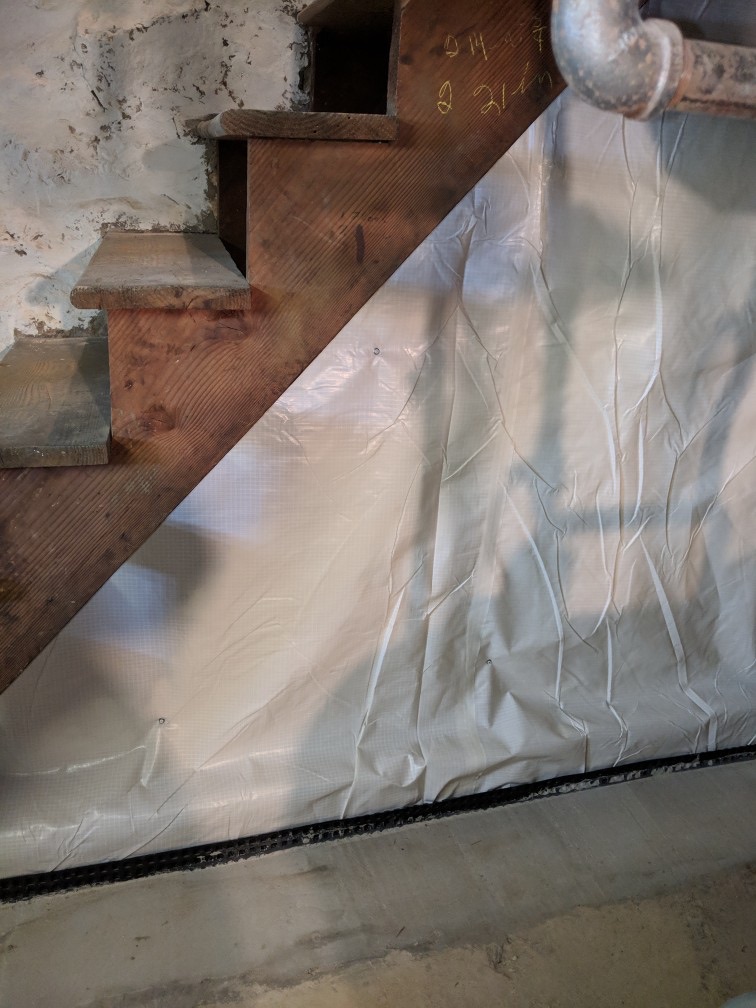
Assessment and Prep
We inspect the crawl space for standing water, debris, and existing moisture damage. If groundwater is present, drainage is installed before liner work begins. A liner over standing water is not encapsulation — it's a cover-up.
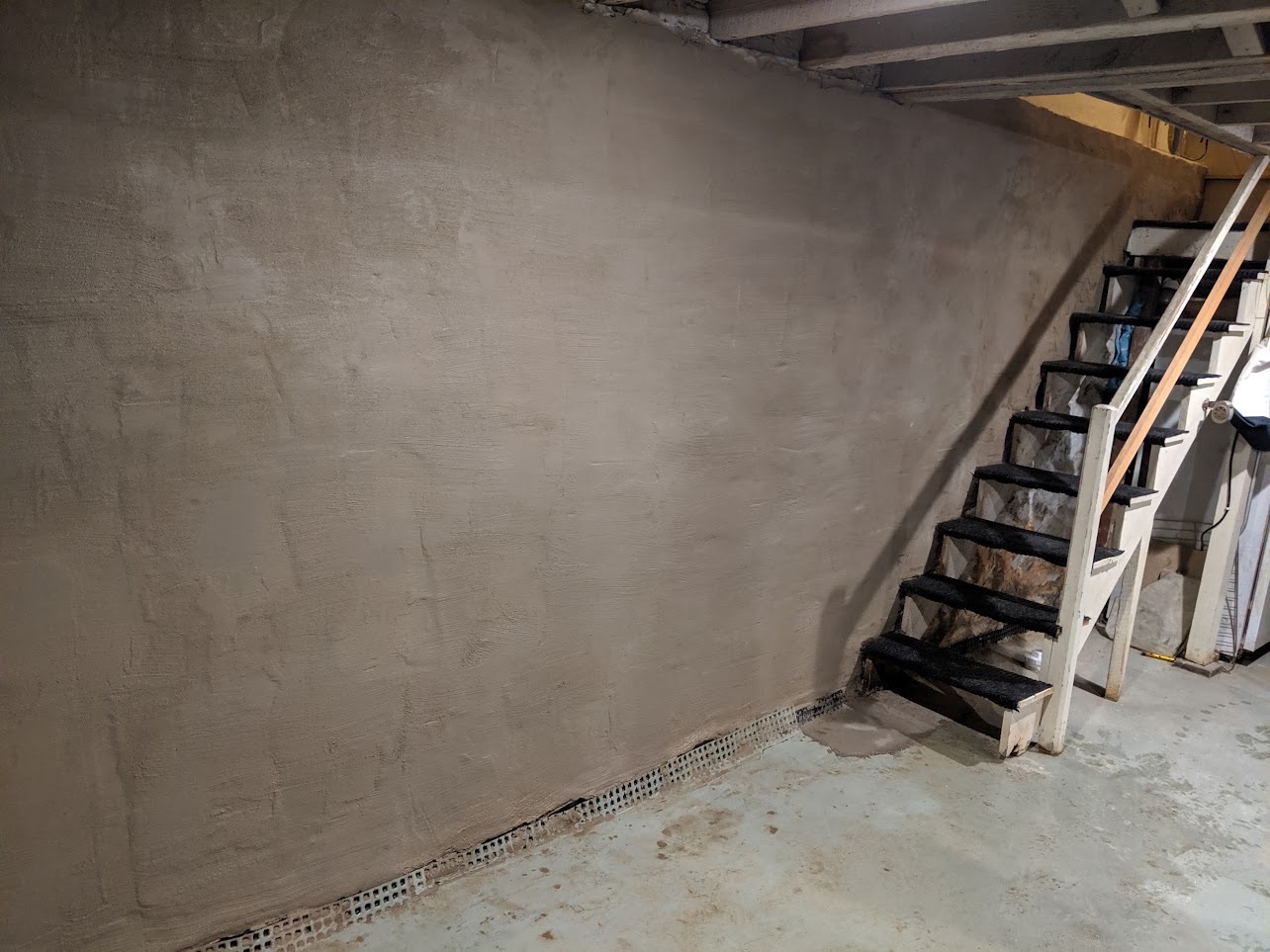
Floor Liner Installation
Reinforced poly panels are unrolled, overlapped 12 inches at seams, and sealed with butyl tape. The crew works methodically from the far end of the crawl space toward the access hatch to avoid disturbing completed sections.
Wall and Penetration Sealing
Liner is run up foundation walls, mechanically terminated at the sill plate with fastening bar and mastic. Each pipe, post, and pier gets a fitted boot seal. Corners are lapped and double-sealed.
Inspection and Documentation
The completed liner is inspected under bright light for any unsealed seams or punctures. OBW documents the installation with photos. Your warranty paperwork is provided before we leave.
Real Maryland Crawl Spaces
Recent Vapor Barrier Installations
Across Maryland
Every photo is an actual OBW job. Our crew documents each installation — before, during, and after.
Baltimore County Full floor and wall encapsulation — 12-mil liner, mechanically terminated at sill plate.
Harford County Wall liner installation over block foundation — drainage and liner installed same visit.
Carroll County Drainage tie-in and full liner system — previously standing water eliminated.
Cecil County Perimeter drainage installed first, liner over dry substrate — correct sequence.
Honest Answers. No Sales Pitch.
Common Questions About Crawl
Space Vapor Barriers
If your question isn't here, call (443) 855-5600. Our inspectors answer questions and give honest, consultative guidance.
What thickness vapor barrier does OBW install, and why does it matter?
OBW installs a minimum 12-mil reinforced polyethylene liner in residential crawl spaces, and upgrades to 20-mil where groundwater pressure is higher or the crawl space shows active moisture intrusion. The thickness question matters because most big-box store vapor barriers are 6-mil — a number that sounds reasonable until you realize crawl spaces are working environments. HVAC contractors, plumbers, and pest inspectors all crawl through that space over the life of your house. A 6-mil liner punctures easily and, once torn, the moisture barrier is compromised at that point.
The second reason thickness matters is tear resistance at seams and penetrations. Pipes, columns, and piers punch through the liner. A thicker liner holds mechanically fastened termination strips and penetration boots more reliably than thin film. Seams sealed over thin poly tend to fail first — especially in Maryland's seasonal temperature swings, where the liner contracts in winter and expands in summer.
One number that matters as much as thickness: permeance rating. The liner's job is to block water vapor transmission from the soil into your crawl space air. Rated in perms — lower is better. OBW specifies liners at 0.02 perms or less. Standard 6-mil poly typically rates around 0.06 perms. That's a three-fold difference in vapor transmission, which translates directly to crawl space humidity levels.
Does a vapor barrier need to cover the walls, or just the floor?
In a sealed, conditioned crawl space — the only approach OBW recommends for Maryland homes — the liner covers both the floor and the foundation walls up to the sill plate. Floor-only installation is appropriate only for vented crawl spaces where outside air is intended to flush moisture through the space. Building science has moved away from that approach in Maryland because summer outside air carries more moisture than the crawl space air it's supposed to dry out.
Wall coverage matters for a specific reason: foundation walls in Maryland's Piedmont region absorb groundwater through the block or poured concrete. Even with a perfectly sealed floor liner, moisture migrates through the wall face and evaporates into the crawl space air. Sealing wall-to-sill with a mechanically attached liner stops this transmission path.
The detail at the top of the wall matters as much as the liner itself. OBW uses a termination bar fastened into the block or concrete and sealed with hydraulic mastic — not tape. Tape degrades over time, particularly in the temperature cycles a Maryland crawl space sees. Mechanical termination stays put.
How is a vapor barrier installed? Can a homeowner do it themselves?
The installation sequence: clear and level the crawl space floor (remove debris, grade away from walls), install perimeter drainage if groundwater is present, unroll liner panels with 12-inch overlaps at seams, seal overlapping seams with butyl tape rated for poly-to-poly contact, cut and fit around piers and columns with boot seals, run liner up the walls, and fasten at the top with termination bar and mastic. Any pipe penetrations get individual boot seals. The liner is then inspected under light for any punctures or unsealed seams.
A homeowner with time and a good helper can install a basic floor-only liner in a clean, dry crawl space. The challenge is that most Maryland crawl spaces that need a liner are not clean or dry. Grading the floor, dealing with existing debris, cutting in around mechanicals, and executing the wall termination correctly are where DIY installations typically fail. A vapor barrier that is 95% effective is not effective — moisture finds the unsealed 5% within one Maryland summer.
The cost difference between DIY and professional installation is real but narrower than most homeowners expect. Liner material at professional grade (12–20 mil reinforced) is significantly more expensive than what's sold at home improvement stores. Labor is the larger line item. For most homeowners, professional installation with a warranty is the more practical choice.
Do I need a dehumidifier if I already have a vapor barrier?
Almost always yes, in Maryland. A vapor barrier eliminates the largest single moisture source in a crawl space — evaporation from bare soil and through foundation walls. But it does not eliminate all moisture entry. Rim joist areas where the floor framing meets the foundation wall are a significant infiltration point. HVAC equipment in the crawl space can contribute latent moisture. And in a truly sealed crawl space, there is no air exchange to carry moisture out — which means any moisture that does enter accumulates.
Maryland's summer humidity runs 70–80% relative humidity outdoors on average. Even with a sealed crawl space and no direct moisture entry, a well-sealed but undehumidified crawl space will equilibrate toward those outdoor conditions through the limited air exchange that still occurs. Wood framing begins showing mold at sustained RH above 70%. Mold in crawl space framing is expensive to remediate and creates indoor air quality problems throughout the house.
The practical recommendation: liner and dehumidifier together is a complete system. Liner alone is like fixing one of two water sources. For most Maryland homes, the full encapsulation system — liner, dehumidifier, possibly drainage and sump — is the right answer.
How long does a vapor barrier last, and what maintains it?
A properly installed, reinforced polyethylene liner in a maintained crawl space has a functional life of 20–25 years. The deterioration mechanism isn't chemical breakdown (poly is very UV-stable) but physical damage — punctures from trades accessing the space, rodent damage, and seam failures from thermal cycling. Annual visual inspection takes 10–15 minutes and catches problems before they become significant moisture events.
What to look for during inspection: unsealed seams (liner edges have lifted away from the butyl tape), punctures, tears around pipe penetrations, and termination bar that has come loose from the wall. Minor repairs — re-sealing a seam or patching a small puncture — are straightforward and inexpensive if caught early. A liner that has been compromised for one or two Maryland summers before it's discovered may have allowed enough moisture damage to require professional mold assessment of the framing above it.
OBW offers an annual inspection program for encapsulated crawl spaces. The inspection covers the liner, the dehumidifier performance (if installed), any drainage components, and the condition of the wood framing visible from below.
70 Years of Maryland Crawl Spaces
Why Maryland Homeowners Choose
Oriole Over National Brands
Three generations of the Pirog family have been solving Maryland crawl space problems since Frank Pirog Sr. founded Oriole in 1953.
Honest, Consultative Guidance
Our inspectors take a consultative approach — guidance first, not a sales pitch. You get an honest assessment of what your crawl space actually needs, without pressure to add scope.
Lifetime Transferable Guarantee
OBW's encapsulation guarantee transfers automatically to the next homeowner. National franchise warranties don't. That distinction matters at closing.
Maryland Soil Expertise
Piedmont clay and bay-area water tables require higher-spec liner and mechanical termination. We don't install one-size-fits-all systems designed for drier climates.
Family-Owned Since 1953
Founded by Frank Pirog Sr., now led by Amber Pirog. Over 70 years of Maryland crawl spaces — we've seen every variation of this problem and the right fix for each.
Ready When You Are. No Pressure.
Three Steps to a Dry,
Sealed Crawl Space
From first call to completed installation, most OBW crawl space jobs are scheduled and finished within two to three weeks.
Schedule a Free Inspection
An OBW inspector visits your crawl space, assesses moisture levels, identifies water entry points, and evaluates the condition of any existing liner. No charge, no obligation.
Get Your Written Estimate
You receive a written, itemized quote the same day — specific to your crawl space square footage and condition. A firm price before any work is scheduled.
We Handle the Work
Our crew installs your vapor barrier system, documents the completed installation, and walks you through the Lifetime Transferable Warranty before they leave your property.
Ready to Seal Your Crawl Space?
Free inspection. Written estimate same day. No pressure — honest, consultative guidance.
Family-owned since 1953 · MHIC #4247 · Lifetime Transferable Guarantee